What does a true beach town feel like when it is your everyday life, not just a weekend visit? If you are eyeing Hermosa Beach, you are likely drawn to its small-city vibe, ocean energy, and walkable streets. You want to know how the days unfold, what the tradeoffs are, and how to decide if it fits your routine and budget. This guide breaks down daily rhythms, housing basics, commutes, and practical tips so you can picture your life here with clarity. Let’s dive in.
You start early here. The Strand, part of the Marvin Braude Bike Trail, fills with runners, cyclists, and dog walkers as the sun comes up. Surfers paddle out near the pier while volleyball nets dot the sand. If you like a sunrise workout and a quick coffee on foot, this routine comes naturally.
Hermosa Avenue and Pier Plaza act as your main street for coffee, casual dining, and small errands. You can walk to most daily needs, from surf shops to salons. The beach is a quick reset for a lunchtime jog, a paddle, or a few serves on an open court.
As the day winds down, Pier Plaza livens up with restaurants, craft beer spots, and live music. Weekends, especially in summer, bring more foot traffic and a festive vibe near the pier. If you prefer quieter nights, you can choose homes a few blocks inland for a calmer pace.
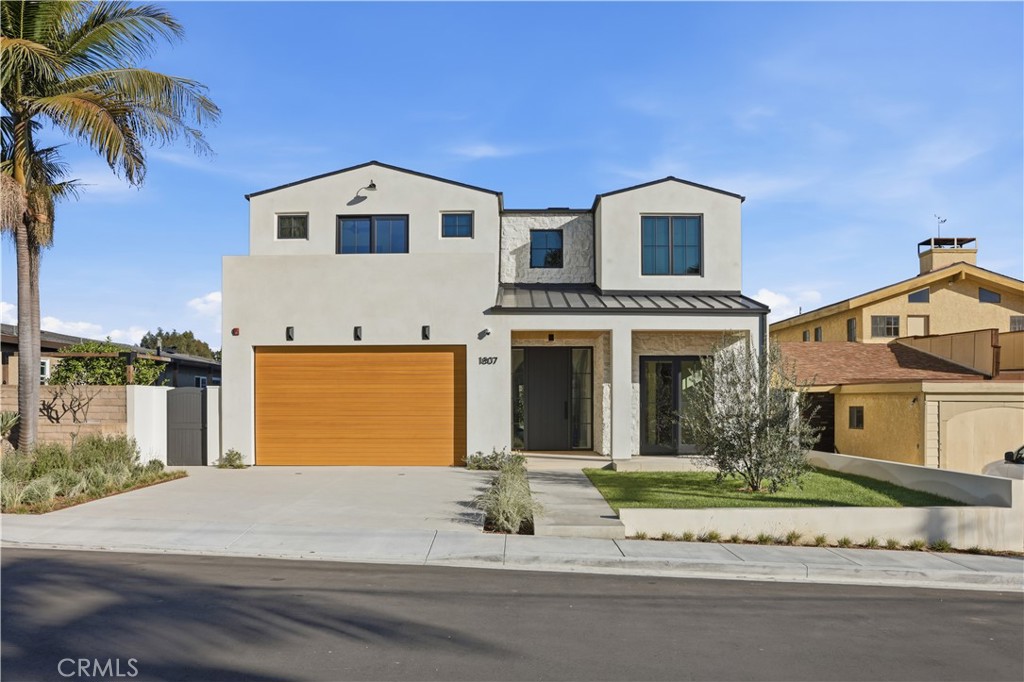
Hermosa Beach is compact, roughly 1 to 1.5 square miles with about 19,700 residents. You feel the neighborhood scale as you walk. Housing types range from classic beach cottages to modern infill homes, plus condos, small-lot single-family homes, duplexes, and some apartments.
Expect prices to track closely with proximity to the sand and ocean views. Homes on or near the Strand sit at the top of the market. Older condos and smaller units further from the beach can be more attainable, though still above broader Los Angeles averages. The rental market is competitive, with strong demand from young professionals and seasonal residents.
Driving is the most common commute. Typical drive times vary with traffic: LAX is about 10 to 20 minutes, El Segundo and Torrance about 15 to 30 minutes, Santa Monica and West LA about 20 to 40 minutes, and downtown LA about 30 to 60 minutes or more at peak hours.
Public transit options include bus service from Metro and local providers such as Beach Cities Transit that connect to nearby hubs. Many residents combine driving with biking or walking for local trips. If you live near the pier or Hermosa Avenue, you can cover most daily stops without getting in the car.
Hermosa Avenue and Pier Plaza are your go-to spots for cafés, neighborhood boutiques, surf shops, and services like dry cleaners and bike repair. For larger shopping and big-box retailers, you will probably drive to Manhattan Beach, Redondo Beach, or Torrance.
Nightlife centers on the pedestrian corridor near the pier. It is active and social without a large-club feel. Live music venues and seasonal outdoor concerts add to the mix.
For K through 8, students are served by the Hermosa Beach City School District. Many local high school students attend Mira Costa High School in neighboring Manhattan Beach. You will find small parks and public spaces around town, but the beach and Strand function as the main recreational backbone. Youth sports and community activities are part of the local rhythm.
Summer weekends bring more visitors, higher foot traffic, and more activity near Pier Plaza and Hermosa Avenue. Residential streets are generally calmer, but parking can be tight during peak seasons and special events. Permit zones are common, and new residents should review local rules for parking and guest permits.
Nightlife noise is most noticeable close to the pier and along Hermosa Avenue. The city manages hours and ordinances that shape late-night activity.
Properties near the shoreline are subject to California Coastal Commission oversight, which affects development and permitting. Like other South Bay cities, Hermosa Beach monitors sea-level rise and beach erosion and may pursue sand replenishment and protective measures over time. Low-lying areas can see stormwater flooding during heavy rain, so it is smart to review elevation and flood maps when evaluating a property.
Short-term rental rules can change. If you are considering a vacation rental strategy, verify current city ordinances, permit requirements, and enforcement before you buy or lease.
You will do well in Hermosa if you appreciate a highly walkable, outdoor-forward lifestyle and can accept the tradeoffs that come with a small coastal city. Space is at a premium and prices reflect the beachside setting. If you value daily access to the Strand, a tight-knit feel, and a lively dining and music scene, the fit is strong. If you want quiet streets and easy parking, consider locations a few blocks from the pier and learn the local permitting rules early.
Signature happenings reflect the town’s beach culture. You can expect seasonal concerts, volleyball tournaments, and local art fairs such as Fiesta Hermosa. Civic engagement is active around topics like parking, coastal access, development, and environmental stewardship. The result is a small-city feel where you tend to recognize faces along the Strand.
Hermosa Beach offers a true beach-town lifestyle with a practical side. It is compact, social, and fitness minded. You can walk to coffee, run the Strand, and watch the sunset over the pier on the same day. You also balance cost, parking, and seasonal crowds. If that tradeoff lines up with your goals, this could be the place that fits.
When you want a local guide who knows the rhythms of life on the sand, our team is here to help. From buying and selling to leasing and property management, you get clear advice and responsive support. Connect with Billings Beach Homes to explore homes that match your day-to-day life.

Compass
2141 Rosecrans Avenue, Suite 1120
El Segundo, CA 90245
Brook Billings | CA DRE# 01997704
Billings Beach Homes and Associates