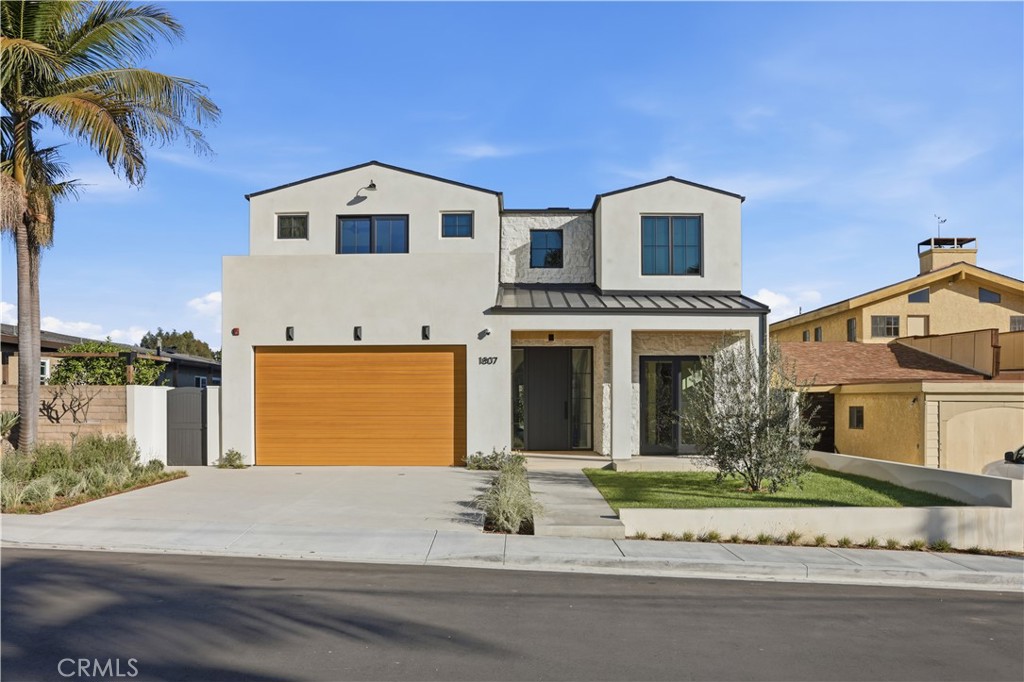
Ever hear someone say “Sand,” “Tree,” or “Hill” and wonder what that really means in Manhattan Beach? You are not alone. These are local shorthand labels buyers use to compare lifestyle, terrain, and home types across the city. In this guide, you will learn how each section feels on the ground, the kinds of homes you will find, what drives value, and what to check during tours. Let’s dive in.
Quick snapshot: Sand vs. Tree vs. Hill
- Sand Section: Closest to the beach and Pier, flat coastal blocks, active scene, smaller lots, and a short walk to surf, Strand, and downtown.
- Tree Section: Central, leafy streets with a traditional residential feel, a mix of classic and updated homes, convenient to schools and shops.
- Hill Section: Higher elevation with steeper streets, quieter presence, many homes designed to capture ocean and coastline views.
These labels are informal neighborhood descriptors, not fixed city boundaries. Exact block lines can vary by listing, so always confirm a property on a map before you compare.
Sand Section: closest to surf and Pier
Terrain and setting
The Sand Section sits nearest the ocean, the Strand, and the Manhattan Beach Pier. The terrain is generally flat, which makes daily walks and bike rides easy. Coastal exposure brings strong sun, wind, and salt air, so think about maintenance and weather wear. In select areas, drainage and flood risk may be a factor.
Homes and lots
You will see original beach cottages, mid-century homes, and many newer multi-level builds that use vertical space to maximize views. Lots tend to be smaller near the Strand. Some condos and duplexes exist, but much of the area is single-family zoning. Many buyers weigh view corridors, privacy, and remodel potential block by block.
Street vibe and access
Expect an energetic, public-facing vibe with cyclists, joggers, and seasonal visitors around the Pier and bike path. Walkability is a major draw, with quick access to restaurants and shops. If you like a lively scene and daily beach time, this section delivers.
Practical buyer notes
- Pricing reflects direct beach access and view premiums. Values shift with market cycles, so rely on current data when you are ready to write offers.
- Check FEMA Flood Insurance Rate Maps for parcels close to the shoreline. Use the FEMA Flood Map Service Center to review a property’s flood zone.
- If you plan to remodel or rebuild near the coast, confirm requirements with the California Coastal Commission and the City of Manhattan Beach Planning and Building departments.
- Observe noise, foot traffic, parking demand, and access paths at different times of day before you commit.
Tree Section: quiet, leafy residential core
Terrain and setting
The Tree Section sits inland from the Strand on generally flat to gently sloping streets. Mature trees form a canopy on many blocks, which shapes the neighborhood identity. The setting feels residential and calm, while still close to daily needs.
Homes and lots
You will find post-war cottages, Craftsman and mid-century styles, plus tasteful remodels and new builds. Homes often maintain a traditional scale and street presence. Lots vary, but many buyers choose the Tree Section for a balanced home size and neighborhood streetscape.
Street vibe and access
This area offers a quieter pace with good walkability to local business districts and parks, depending on the exact address. Proximity to Manhattan Beach Unified School District campuses can be a key advantage. Always verify current boundaries with the Manhattan Beach Unified School District.
Practical buyer notes
- The vibe suits buyers who want a calmer street scene with easy access to schools, parks, and downtown.
- Expect ongoing remodels and rebuilds, yet many blocks keep a consistent residential character.
- If you plan landscape changes, check for local tree ordinances and permit rules through the City of Manhattan Beach Planning and Building.
Hill Section: views and privacy above town
Terrain and setting
The Hill Section rises east of downtown with steeper, winding streets. Many parcels sit at higher elevations with lines of sight to the ocean and coastline. Walkability to the Strand is lower than in the Sand and Tree sections, but you trade that for views and a quieter street presence.
Homes and lots
Larger homes and custom estates are common, especially on view lots. You will also see contemporary and Mediterranean designs, along with modern rebuilds that emphasize indoor-outdoor living. Some parcels are larger, though infill lots also exist.
Street vibe and access
The feel is private and residential, with less tourist traffic at the curb. Downtown and the Pier are a short drive. If you want a serene street plus a view focus, this section deserves a close look.
Practical buyer notes
- View premiums can be significant. Consider how future development on nearby lots might affect sightlines.
- Sloped lots require careful due diligence on grading, drainage, and foundation systems. Review permits and reports with the City.
- For any hillside project, align early with engineers and the City of Manhattan Beach Planning and Building to understand grading and structural requirements.
What drives value across sections
- Proximity to water and the Pier lifts Sand Section values. Views and privacy lift Hill Section values. The Tree Section often prices below prime Sand or prime Hill parcels, while still commanding strong demand.
- Markets change. Use current MLS snapshots and local brokerage insights for up-to-date medians, list-to-sale ratios, and days on market when you are ready to make decisions.
- Lot orientation, height limits, and floor area rules can shape value. Confirm zoning, setbacks, and height limits with the City before you plan a remodel or rebuild.
Permits, rules, and risk checks to know
Touring checklists by section
Sand Section checklist
- Review FEMA flood zone, site elevation, drainage, and any shoreline disclosures.
- Walk the block at different hours to gauge foot traffic, bike activity, and noise levels.
- Confirm parking options for residents and guests, plus local street parking rules.
- For remodel plans, check coastal development permit needs and height limits.
Tree Section checklist
- Look at tree root proximity to sidewalks, driveways, and foundations. Ask about permits for tree work.
- Note routes to parks, schools, and downtown. Time the walk or bike ride.
- Evaluate natural light inside, since mature trees can add shade.
- Review any recent remodel permits to understand scope and timeline.
Hill Section checklist
- Ask for any geotechnical or slope reports, plus history of drainage or retaining wall work.
- Study view corridors and potential future development on adjacent lots.
- Test driveway grades for daily usability and parking.
- Confirm structural upgrades and drainage systems designed for hillside conditions.
Decode common listing language
- “Walk to Pier,” “Near the Strand,” or “Beach access” often signals Sand Section or nearby blocks.
- “Tree-lined street,” “Quiet neighborhood,” or “Near downtown” often describes the Tree Section.
- “Panoramic ocean views,” “Private drive,” or “Upper Hill” usually points to the Hill Section.
Use these clues as a starting point, then verify on a map and during your tour.
Which section fits your lifestyle
- Choose Sand Section if daily beach time, an easy walk to dining, and an active street scene top your list.
- Choose Tree Section if you want a calm residential setting with convenient access to parks, schools, and shops.
- Choose Hill Section if you value privacy, elevation, and view potential, and you are comfortable driving to the coast.
Every block is different. The right fit often comes down to how you live day to day and how a home’s layout matches your routine.
Ready to compare homes
If you want a tailored walk-through of Sand, Tree, and Hill options, reach out. We will map your wish list to the right streets, preview off-market opportunities, and help you weigh view, walkability, and remodel potential with clear data. To start a plan that fits your goals, contact Billings Beach Homes. Work With Us.
FAQs
What do locals mean by Sand, Tree, and Hill in Manhattan Beach?
- They are informal labels for three residential areas used to compare location and lifestyle: Sand is closest to the beach, Tree is the central leafy core, and Hill is the higher-elevation area with views.
Are Sand Section homes at higher flood risk in Manhattan Beach?
- Some near-shore parcels can be in coastal flood or tsunami zones. Check the specific address using the FEMA Flood Map Service Center and review local disclosures.
Which Manhattan Beach section is best for ocean views and privacy?
- The Hill Section often offers the strongest combination of panoramic views and a quieter street presence due to elevation and street layout.
How walkable are Tree and Hill Sections to downtown Manhattan Beach?
- Many Tree Section blocks are a short walk or bike ride to downtown. Hill Section homes are usually a quick drive to the Pier and shops because of elevation and street grades.
What permits affect building near the Strand in Manhattan Beach?
Do Manhattan Beach school assignments vary by section?