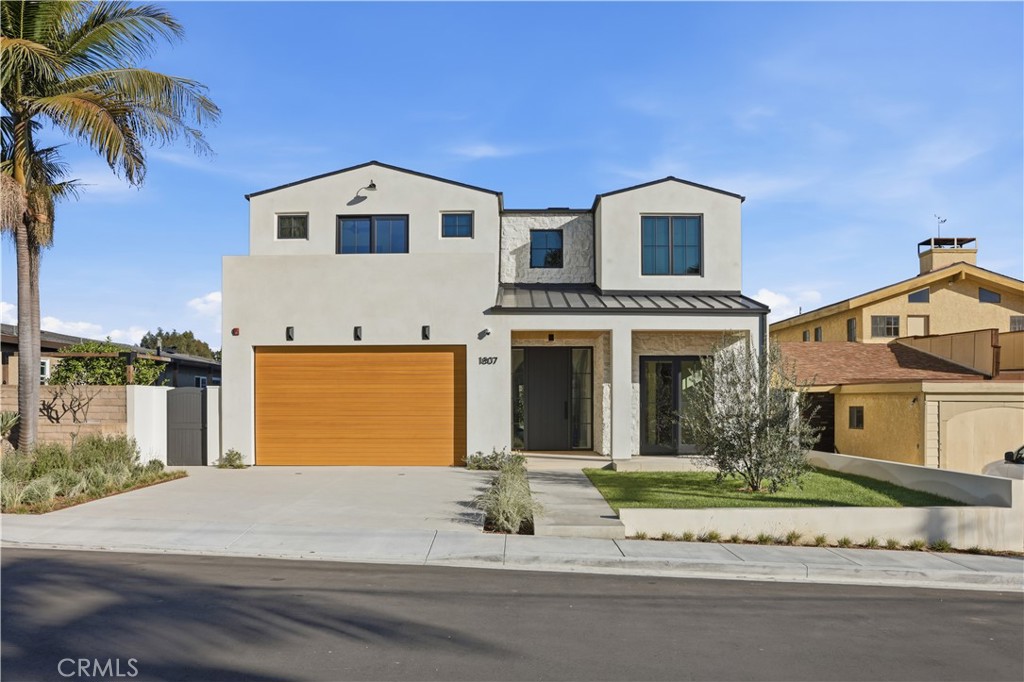
Wondering why one Manhattan Beach home gets strong early interest while another sits, even in a high-demand market? If you are thinking about selling, pricing is where momentum starts. In a city with limited inventory, distinct micro-markets, and buyers who know the difference between one block and the next, the right list price can shape your timeline, your leverage, and your final result. Let’s dive in.
Manhattan Beach is a small coastal city with just 4 square miles and 2.1 miles of beachfront, according to the City of Manhattan Beach facts page. The city is also largely built out, with limited room for new growth beyond redevelopment and infill, as outlined in its Housing Element.
That matters because pricing here is rarely about broad averages alone. Buyers are often comparing very specific features, like section, lot utility, view corridor, condition, and how a home fits within local zoning and neighborhood scale.
Recent data points to a market that is active, competitive, and still sensitive to price. Realtor.com’s Manhattan Beach housing market data shows a median listing price of $4.25 million as of March 2026, 101 active listings, a median of 37 days on market, and a 99% sale-to-list ratio, while classifying the city as a seller’s market.
That said, not every home is moving at the same pace. The same market snapshot notes that buyers are engaged, but other reported figures in the area show different timing windows and methodologies, which is a good reminder that pricing should be based on your home’s position in the market, not just one headline number.
Even in a premium market, overpricing can cost you time. Realtor.com reports a median 37 days on market, while the same market overview also reflects a landscape where some homes require price adjustments before finding the right buyer.
The takeaway is simple: buyers in Manhattan Beach are willing to pay for value, but they still respond to disciplined pricing. A sharp list price can create urgency early, while an aspirational number can weaken your negotiating position if the market does not support it.
Manhattan Beach is not one uniform market. The city identifies distinct planning areas, including the Beach Area, the Hill Section, and the Tree Section in its Housing Element, and each area has different housing patterns, lot sizes, and development constraints.
That local structure shows up clearly in pricing. Realtor.com’s neighborhood-level data reports median home prices of $5.699 million for Sand Section, $3.825 million for Tree Section, and $8.373 million for Hill Section, with different median days on market across those sections.
If you price your home using comps from the wrong section, you can miss the market in either direction. The premium buyers assign is often tied to a very specific pocket of Manhattan Beach, not simply the city name on the mailing address.
In Manhattan Beach, lot utility can be just as important as square footage. The city’s mansionization rules set different maximum house sizes by section, including 15,000 square feet in the Hill Section, 10,800 square feet in the Tree Section, and 7,000 square feet in the Beach Area, according to the city’s planning document.
For older homes in particular, that can affect pricing in a meaningful way. Buyers may look beyond the current layout and consider future expansion potential, existing footprint, parking, and how the property fits within current code.
In a coastal market, location benefits are not abstract. NOAA explains in its hedonic valuation guide that home sales can reveal the value buyers place on amenities like ocean views and nearby coastal access.
That principle is backed by academic research. A peer-reviewed study published by Springer found a strong premium for homes closer to the coast, while also noting that the effect includes more than just view, such as access and other coastal benefits.
For your Manhattan Beach home, that means broad rules of thumb are not enough. A slight change in elevation, a stronger view corridor, or a location a little closer to the shoreline can change buyer perception and pricing power.
One of the easiest ways to miss the market is to compare a remodeled home with an unrenovated one and assume the gap is minor. It usually is not. Condition should stand on its own in your pricing strategy.
Fannie Mae’s comparable sales guidance says comparable properties should have similar physical and legal characteristics, including site, room count, finished area, style, and condition. In other words, if your home has an older kitchen, deferred maintenance, or a dated floor plan, that should be reflected clearly rather than averaged away.
A strong pricing strategy usually starts with closed sales, then adjusts for the details that matter most in Manhattan Beach. That includes:
Fannie Mae also states that at least three closed comparable sales should be used and that neighborhood sales are the best indicator of value. When ideal comps are limited, older or nearby competing-area comps may still be helpful, but they need clear support and thoughtful adjustments.
It is tempting to “leave room to negotiate,” especially in a luxury coastal market. But in practice, buyers often know the inventory well, and they can spot a home that feels out of step with recent sales.
If your home launches too high, you may lose the strongest wave of attention that usually comes when a property first hits the market. Once a listing sits, buyers may begin to wonder whether the home is overpriced or whether a future reduction is coming, which can put you on the defensive.
Underpricing can create attention, but it is not automatically the best strategy either. If the list price does not align with the home’s actual position in the market, you risk attracting the wrong buyer pool or setting expectations that are hard to manage.
The goal is not simply to be the cheapest option or the highest-priced listing. The goal is to enter the market at a number that feels credible, competitive, and compelling based on what buyers are actually rewarding right now.
Price and presentation work together. In a market where condition and finish level can materially affect value, the way your home is prepared before launch can shape how buyers interpret your asking price.
That is one reason a full-service approach matters. With Billings Beach Homes, sellers benefit from neighborhood-focused guidance, high-touch service, and Compass-backed tools like Concierge and premium listing marketing that can help position a home more effectively before it goes live.
Before you set a price, it helps to step back and evaluate your home the way a buyer will. Focus on the factors that affect value most directly in Manhattan Beach.
Here is a smart starting checklist:
A pricing conversation should never happen in a vacuum. It should connect the numbers, the property, and the story your home tells when it enters the market.
In Manhattan Beach, pricing is part data, part positioning, and part local judgment. The city’s small size, built-out footprint, and neighborhood differences mean buyers are often making highly specific comparisons, and the homes that win are usually the ones priced with precision from the start.
If you are thinking about selling, a tailored pricing strategy can help you protect value and improve your odds of a strong launch. When you are ready for a local, relationship-first approach backed by smart marketing and real South Bay insight, connect with Billings Beach Homes.

Compass
2141 Rosecrans Avenue, Suite 1120
El Segundo, CA 90245
Brook Billings | CA DRE# 01997704
Billings Beach Homes and Associates