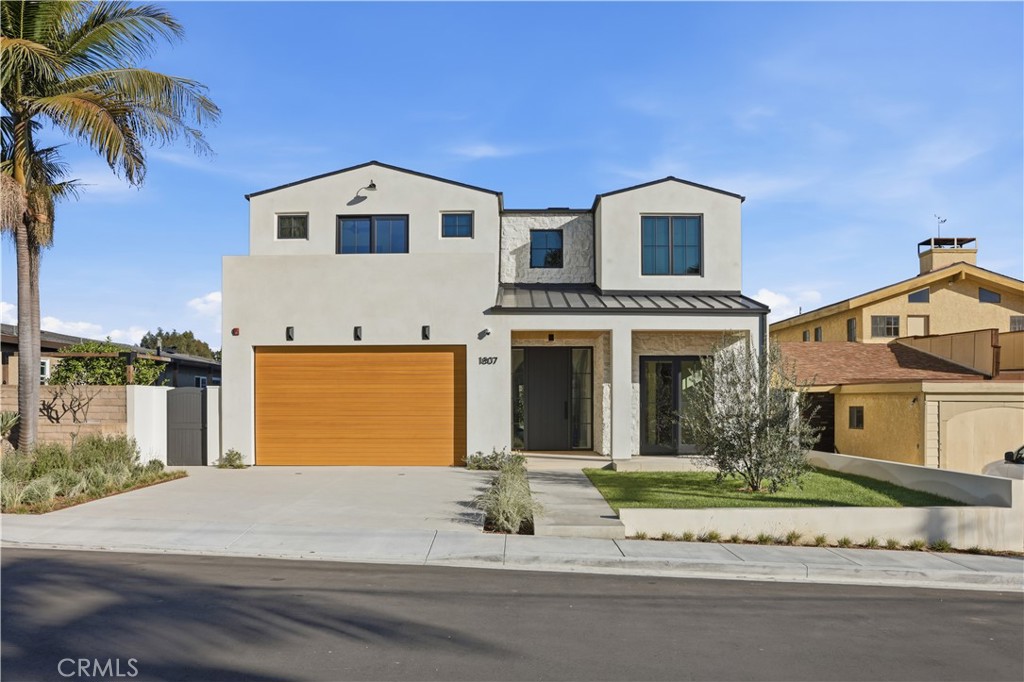
Trying to choose between Torrance and Redondo Beach for your next family home? You want great schools, an easy commute, and room to live without overpaying for the zip code. In this quick guide, you’ll see how far your budget goes in each city, what yard and ADU potential look like, school and commute context, and how daily life compares. Let’s dive in.
If you are value focused, Torrance typically stretches your dollars farther than Redondo Beach. Recent snapshots place Torrance’s typical home value around the low 1 millions, while Redondo’s citywide median sale price sits closer to the mid 1 millions. In simple terms, Redondo often carries a sizable premium over Torrance for similar bedroom counts and proximity to coastal amenities.
Redondo’s premium reflects coastal demand and walkable, beach-adjacent neighborhoods. Torrance balances access to beaches with a more suburban footprint, which usually means larger lots and more square footage for the same budget.
Citywide price-per-square-foot numbers often land in the 600 to 700 dollars per square foot range in Torrance. Redondo’s averages are higher, frequently in the mid 700s to low 800s per square foot. Homes near the pier and Riviera Village in Redondo tend to sell faster and command premiums, while Torrance offers steadier value across many family neighborhoods.
Every block is different, but here is a practical starting point for a million-dollar target budget:
Use these as planning snapshots. Your exact options will depend on neighborhood, condition, and timing.
If a private yard, play space, or future ADU matters to you, it helps to know the rules that shape each city’s lot sizes.
Bottom line: Torrance often delivers more private outdoor space and garage or driveway parking for the same money. Redondo often delivers walkable amenities, with more attached and small-lot homes.
Both cities are served by well-regarded public districts. Quality can vary by campus, and enrollment is boundary based, so always check school boundaries for a specific address.
Practical tip: If a specific elementary or high school is a top priority, confirm your address-to-school mapping directly with the district before you write an offer.
On average, commute times are similar. Recent American Community Survey data shows mean travel times of roughly 27 minutes in both cities, which suggests day-to-day differences will depend more on your job location and route choices than on city lines. For context on ACS travel-time figures, see the U.S. Census QuickFacts.
Transit access is strong across the South Bay. Redondo connects coastal neighborhoods to the Green Line area and LAX corridor via Beach Cities Transit, and Torrance Transit serves key local and regional routes with Metro connections. For local transport resources, visit the Redondo Chamber community resources page.
LAX drive times can be shorter from pier and Riviera Village areas in off-peak windows, but rush-hour traffic can erase that advantage. If your household splits between El Segundo, Manhattan Beach, or downtown, test-drive routes at peak and off-peak times before you commit to a neighborhood.
Safety is an important part of family decision-making. Public summaries based on FBI and local reports indicate both cities generally sit in the lower range for violent crime among large LA County cities, with property crime metrics that are above the national average in many years. For recent Torrance statistics, visit Crime Explorer’s Torrance page. For block-level decisions, review recent police logs and talk with your agent about trends around specific addresses.
Property taxes in Los Angeles County follow California’s Proposition 13 structure: a 1 percent base tax plus voter-approved bonds and assessments. Effective rates often land in the 1.15 to 1.3 percent range depending on the parcel. For a helpful statewide context, review this California property tax guide. Always check a property’s supplemental bill and look for Mello-Roos or special assessments that can affect your monthly payment.
Before you tour, build a quick monthly snapshot so you can compare homes across both cities with confidence.
This simple worksheet keeps you focused on total cost, not just list price, so you can quickly see where Torrance’s larger lots or Redondo’s walkable locations best fit your budget and lifestyle.
Both cities deliver strong public-school options and similar average commute times. Your best choice comes down to how you weigh space and budget against walkability and coastal proximity.
Ready to compare real listings and neighborhoods side by side? Reach out to Billings Beach Homes for a friendly, data-backed game plan tailored to your family’s goals.

Compass
2141 Rosecrans Avenue, Suite 1120
El Segundo, CA 90245
Brook Billings | CA DRE# 01997704
Billings Beach Homes and Associates